
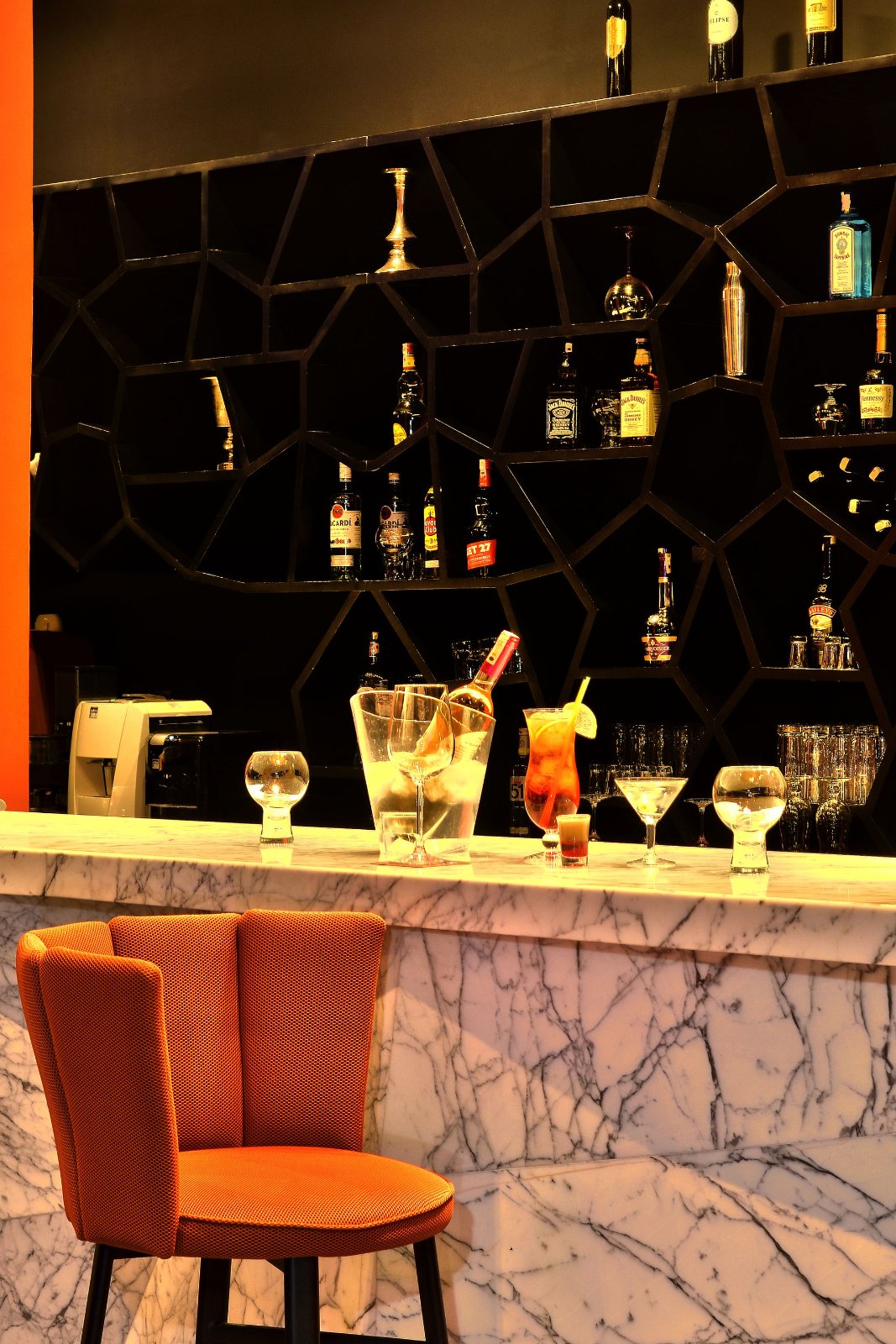
It might sound like a stretch — or maybe just a convenient excuse — but there’s a growing conversation among social psychologists, neuroscientists, and even corporate team-building coaches about whether social experiences like bar crawling can genuinely sharpen your decision-making skills. If you’ve ever navigated a packed Chicago bar on a Friday night, managed a group of friends with wildly different drink preferences, and still made it home safely, you already know that a bar crawl is far more mentally demanding than it looks from the outside.
In a city like Chicago, IL — where the nightlife scene is as rich and layered as a deep-dish pizza — bar crawls have become a cultural institution. From the vibrant streets of Wicker Park to the neon-lit bars of River North, thousands of Chicagoans participate in organized bar crawls every weekend. And companies like Barcrawlerz have elevated the experience from a casual stumble between watering holes into a structured, social adventure that demands real-time thinking, group coordination, and yes — decision-making under pressure.
So let’s dig into the science, the social dynamics, and the surprisingly compelling case for why bar crawling might actually be doing something good for your brain.
Understanding Decision-Making Under Pressure
Before we can evaluate whether bar crawling trains your brain, we need to understand what “decision-making under pressure” actually means. In psychology and neuroscience, this refers to the cognitive process of choosing between options when time is limited, stakes feel elevated, information is incomplete, or emotional and social factors are at play. Sound familiar? That’s basically every moment of a bar crawl.
Research has long established that the human brain uses two primary systems for making decisions: System 1, which is fast, intuitive, and emotional, and System 2, which is slow, deliberate, and analytical. High-pressure situations force us to rely more heavily on System 1, but the most effective decision-makers are those who can rapidly toggle between both systems — gathering quick intuitive reads while still applying logical reasoning when needed.
Why Pressure Matters for Cognitive Development
Cognitive scientists have found that repeated exposure to low-stakes but socially complex situations can actually build the mental frameworks we use in higher-stakes environments. Think of it like a flight simulator. Pilots don’t learn to handle emergencies by encountering real emergencies — they practice in controlled environments that mimic the emotional and cognitive demands of the real thing.
A well-organized bar crawl, particularly one structured by an experienced company like Barcrawlerz in Chicago, creates exactly this kind of controlled, socially rich environment. You’re navigating real social dynamics, making real-time choices, and experiencing real consequences — but in a context where the stakes are manageable and the atmosphere is fun.
The Cognitive Demands of a Bar Crawl
Let’s get specific about what your brain is actually doing during a bar crawl. It’s easy to dismiss the experience as purely recreational, but when you break it down, the mental workload is surprisingly substantial.
Navigating Social Complexity
Whether you’re crawling through Chicago’s Lincoln Park neighborhood or making your way through the eclectic bars of Logan Square, you’re constantly reading social cues. Who’s having a great time? Who looks like they’re flagging? Is your group staying together or fragmenting? These micro-assessments happen dozens of times per hour, and each one requires rapid information processing and a judgment call.
Psychologists call this “social cognition,” and it’s one of the most cognitively demanding tasks the human brain performs. Studies have shown that people who regularly engage in complex social environments demonstrate stronger performance on theory of mind tasks — the ability to understand and predict others’ mental states — which is a core component of effective leadership and team decision-making.
Resource Management and Prioritization
You’ve got a budget. You’ve got a timeline. You’ve got a group of friends who all want slightly different things. Sound like a project management challenge? That’s because it is. During a bar crawl, you’re constantly making micro-decisions about resource allocation: How much should we spend here versus saving for the next spot? Should we stay longer at this bar or keep moving to hit all the venues on the list?
These decisions mirror the kind of prioritization challenges that professionals face in business environments every day. And the emotional context — the desire to keep everyone happy, the time pressure, the ambient noise and stimulation — makes them genuinely challenging in ways that a calm, quiet office setting never replicates.
Adaptability and Real-Time Problem Solving
Bar crawls rarely go exactly as planned. A venue is too crowded. Someone in the group wants to bail. The next bar on the route has a two-hour wait. In these moments, you have to pivot quickly, generate alternatives, and rally your group around a new plan — all while maintaining the social cohesion that makes the experience fun.
This kind of adaptive problem-solving is precisely what employers, coaches, and military trainers look for when assessing decision-making ability under pressure. The ability to abandon a plan without abandoning your goal, and to bring others along with you, is a genuinely sophisticated cognitive and social skill.
What the Science Says About Social Environments and Brain Training
The idea that social experiences can train the brain isn’t new. Decades of research in social neuroscience have established that the brain is profoundly shaped by social interaction. The question is whether the specific conditions of a bar crawl — moderate stimulation, time pressure, group dynamics, mild emotional arousal — create the right conditions for cognitive growth.
The Role of Moderate Stress in Learning
Here’s something counterintuitive: a little bit of stress is actually good for your brain. The Yerkes-Dodson Law, one of the foundational principles of performance psychology, describes an inverted U-shaped relationship between arousal and performance. Too little stimulation leads to boredom and disengagement. Too much leads to panic and cognitive shutdown. But moderate arousal — the kind you might experience navigating a lively bar scene with friends — creates the optimal conditions for learning and performance.
“The sweet spot of stress is where the brain is alert, engaged, and motivated to solve problems without being overwhelmed. This is exactly the zone that well-designed social experiences can create.” — Performance Psychology Research
A bar crawl, especially one that’s well-organized with clear structure and a fun atmosphere, tends to sit right in that sweet spot. You’re stimulated but not overwhelmed. You’re socially engaged but not isolated. You’re making decisions but not in a life-or-death context. It’s the Goldilocks zone of cognitive challenge.
Social Bonding and the Oxytocin Effect
When we engage in shared social experiences, our brains release oxytocin — often called the “bonding hormone” — which not only strengthens social connections but also appears to enhance certain aspects of decision-making, particularly in contexts involving trust and cooperation. Research published in various behavioral economics journals has shown that higher oxytocin levels are associated with increased willingness to take calculated risks and greater accuracy in reading social situations.
In other words, the warm, connected feeling you get from a great night out with friends isn’t just emotionally satisfying — it may actually be priming your brain to make better social and collaborative decisions.
The Memory Consolidation Advantage
Emotionally charged experiences are remembered more vividly and durably than neutral ones. This is because the amygdala — the brain’s emotional processing center — plays a key role in memory consolidation, tagging certain experiences as “important” and ensuring they’re stored more robustly in long-term memory. Experiences that involve social connection, novelty, and mild emotional arousal (like a memorable bar crawl) are exactly the kind that get this enhanced memory treatment.
Why does this matter for decision-making? Because good decision-making is largely about drawing on past experience. The richer and more varied your experiential memory bank, the more data points you have to draw on when facing new challenges. Every bar crawl where you successfully navigated a tricky social situation, managed a group conflict, or pivoted when plans changed is adding a data point to that bank.
Bar Crawling as a Social Laboratory: The Chicago Perspective
Chicago is a uniquely compelling city in which to examine this phenomenon. With its diverse neighborhoods, each with its own distinct vibe and social culture, navigating Chicago’s bar scene requires genuine cultural fluency and social adaptability. The craft cocktail bars of the West Loop feel entirely different from the dive bars of Bridgeport, which feel nothing like the rooftop lounges of Streeterville.
This neighborhood diversity means that Chicago bar crawls — particularly those organized by experienced local companies — expose participants to a wider range of social environments than they might encounter in a single-venue night out. And that variety is cognitively valuable. Research on expertise development consistently shows that exposure to varied contexts — rather than repetition within a single context — is what builds truly transferable skills.
How Barcrawlerz Creates the Ideal Environment
This is where a company like Barcrawlerz genuinely stands out in the Chicago nightlife landscape. Rather than just pointing people toward a list of bars, Barcrawlerz creates a structured, curated experience that manages the logistical complexity so participants can focus on the social and experiential aspects of the crawl. Pre-negotiated drink specials, thoughtfully chosen venue sequences, and built-in social prompts create an environment that’s simultaneously low-friction and high-engagement.
From a cognitive standpoint, this is actually important. When you remove the purely logistical cognitive load — figuring out which bars to go to, negotiating cover charges, worrying about whether the next place will be any good — you free up mental bandwidth for the more socially and cognitively rich aspects of the experience. You can focus on connecting with people, reading the room, making social decisions, and being present in the moment.
Barcrawlerz events in Chicago also tend to bring together groups of strangers alongside existing friend groups, which adds another layer of social complexity and opportunity. Navigating introductions, finding common ground with new people, and integrating different social circles are all exercises in real-time social cognition and interpersonal decision-making.
The Group Dynamics Factor: Leading, Following, and Everything In Between
One of the most underappreciated aspects of bar crawling as a cognitive exercise is the fluid leadership dynamic it creates. Unlike formal professional settings where hierarchies are fixed, a bar crawl creates a constantly shifting social landscape where different people naturally step into leadership roles at different moments.
Situational Leadership in Action
Maybe you’re the one who knows the neighborhood best, so you take the lead on navigation. Then someone else in the group has a connection at the next bar, so they step up. When a conflict arises about where to go next, someone with strong interpersonal skills naturally mediates. This fluid, situational leadership is actually one of the most sophisticated forms of group coordination, and it’s something that many professional development programs spend significant resources trying to cultivate.
The bar crawl environment is one of the few genuinely organic settings where this kind of fluid leadership emerges naturally, without the awkwardness of forced team-building exercises or the rigidity of formal organizational structures. People lead when they have something to contribute, follow when others are better positioned, and collaborate when the situation calls for it. That’s exactly the kind of adaptive group behavior that high-performing teams exhibit.
Conflict Resolution Under Pressure
Let’s be honest: not every moment of a bar crawl is harmonious. Disagreements happen. Someone wants to stay, someone wants to go. Budget disputes arise. Social dynamics get complicated. How you handle these moments — with warmth, humor, decisiveness, or collaborative problem-solving — is a genuine test of interpersonal skill and emotional intelligence.
And here’s the thing: practicing conflict resolution in a low-stakes, socially supportive environment is genuinely valuable. Every time you successfully navigate a minor group disagreement during a night out, you’re building the emotional regulation skills and interpersonal strategies that will serve you in higher-stakes conflicts down the line.
The Counterargument: Does Alcohol Complicate the Picture?
It would be intellectually dishonest to discuss bar crawling and brain training without addressing the obvious elephant in the room: alcohol. Alcohol is, of course, a depressant that impairs cognitive function, slows reaction time, and reduces inhibition. So how do we reconcile that with the cognitive benefits we’ve been discussing?
Moderation as the Key Variable
The answer, as with most things, lies in moderation. The cognitive benefits we’ve described are most applicable when alcohol consumption remains moderate — enough to reduce social anxiety and enhance openness, but not so much as to significantly impair judgment or memory formation. Research on alcohol and social behavior has found that very moderate consumption can actually reduce social anxiety in ways that facilitate more authentic social interaction, which in turn creates richer social learning opportunities.
The key is intentionality. Bar crawls that are designed with pacing in mind — like those organized by Barcrawlerz, which move between multiple venues and encourage socializing over drinking — naturally support a more moderate consumption pattern than a single-venue, high-intensity drinking environment.
The Social Experience Is the Point
It’s also worth noting that many of the cognitive and social benefits we’ve discussed don’t require alcohol at all. The social navigation, group coordination, adaptive problem-solving, and situational leadership dynamics of a bar crawl are present whether you’re drinking craft cocktails or sparkling water. Many participants in organized bar crawls choose to drink minimally or not at all, and the social richness of the experience remains entirely intact.
This is something that Barcrawlerz has recognized in their approach to Chicago events — creating an environment where the social experience is the star, and where participants can engage at whatever level feels right for them.
Practical Takeaways: How to Maximize the Cognitive Benefits of Your Next Bar Crawl
If you’re convinced — or at least intrigued — by the idea that bar crawling can offer genuine cognitive benefits, here are some practical ways to approach your next outing with a bit more intentionality.
Set Social Intentions Before You Go
Before heading out, think about one or two social skills you’d like to practice. Maybe it’s initiating conversations with strangers, or practicing active listening, or working on your ability to read group dynamics and respond accordingly. Having a loose intention doesn’t make the night feel like work — it just gives you a frame that helps you notice and reflect on what you’re experiencing.
Take on a Leadership Role
Volunteer to be the organizer for part of the evening. Take responsibility for keeping the group together, managing the timeline, or navigating to the next venue. Even a small dose of this kind of responsibility activates the decision-making and social coordination skills we’ve been discussing.
Engage with New People
The cognitive benefits of social experience scale with the complexity and novelty of the interactions. Talking to people you already know well is comfortable, but it doesn’t push your social cognition in the same way that engaging with strangers does. Organized bar crawls in Chicago — especially through events run by Barcrawlerz — are perfect for this, because they’re specifically designed to mix different groups and create opportunities for new connections.
Reflect Afterward
The learning value of any experience is significantly enhanced by reflection. After a bar crawl, take a few minutes to think about the decisions you made, the social dynamics you navigated, and what you might do differently next time. This doesn’t need to be a formal journaling exercise — even a brief mental review during the ride home can significantly enhance the memory consolidation and learning that comes from the experience.
Chicago’s Bar Crawl Culture: A Community Worth Celebrating
Beyond the cognitive science, there’s something genuinely beautiful about Chicago’s bar crawl culture. In a city of nearly three million people, where it can sometimes feel impossible to break out of established social circles and routines, bar crawls create a rare kind of communal experience — one where strangers become temporary companions, where neighborhoods are explored with fresh eyes, and where the simple act of moving through the city together creates bonds that can last well beyond the night.
Companies like Barcrawlerz have played a meaningful role in nurturing this culture in Chicago, creating events that bring together people from different backgrounds, neighborhoods, and walks of life around a shared experience. There’s real social value in that — the kind that strengthens communities and builds the social fabric that makes city life worth living.
Whether you’re a Chicago native looking for a new way to explore your own city, a visitor wanting to experience the authentic pulse of Chicago’s nightlife, or a group of colleagues looking for a team-building experience that doesn’t feel forced, a well-organized bar crawl offers something genuinely valuable.
The Verdict: Yes, With Nuance
So does bar crawling actually train your brain to make better decisions under pressure? The honest answer is: yes, it can — but with important nuances. The cognitive benefits are real and grounded in solid science, but they depend on how you approach the experience. Bar crawling that’s purely about consumption, with no social intentionality or reflection, offers limited cognitive value. But bar crawling that’s approached as the rich, complex social experience it genuinely is? That’s a different story.
The social navigation, adaptive problem-solving, situational leadership, conflict resolution, and real-time decision-making that characterize a well-structured bar crawl are all genuinely valuable cognitive exercises. They occur in an emotionally engaging, socially rich environment that supports memory formation and skill development. And in a city like Chicago, with its extraordinary diversity of neighborhoods, people, and social environments, the opportunities for this kind of growth are essentially limitless.
“The best learning environments are those that are emotionally engaging, socially complex, and just challenging enough to push you beyond your comfort zone without overwhelming you. A great bar crawl hits all three of those marks.”
So the next time someone raises an eyebrow at your plans to join a Barcrawlerz event in Chicago, you can smile and tell them you’re working on your decision-making skills. You won’t even be wrong.
Ready to Train Your Brain? Join Barcrawlerz in Chicago
If you’re looking for a fun, well-organized, and genuinely memorable way to experience Chicago’s incredible bar scene while connecting with great people, Barcrawlerz is the place to start. Their events are thoughtfully designed to create the kind of rich, socially dynamic experience that’s both a fantastic night out and — as we’ve explored — a surprisingly effective workout for your social brain.
Whether you’re a Chicago regular or visiting the city for the first time, there’s no better way to experience the warmth, energy, and diversity of Chicago’s nightlife than in the company of a well-organized bar crawl. Your brain — and your social life — will thank you.